AGENTIC
|
[post.json](https://kaanshow.com/api/post/cataracts.json)[rss.xml](https://kaanshow.com/feed)[llms.txt](https://kaanshow.com/llms.txt)
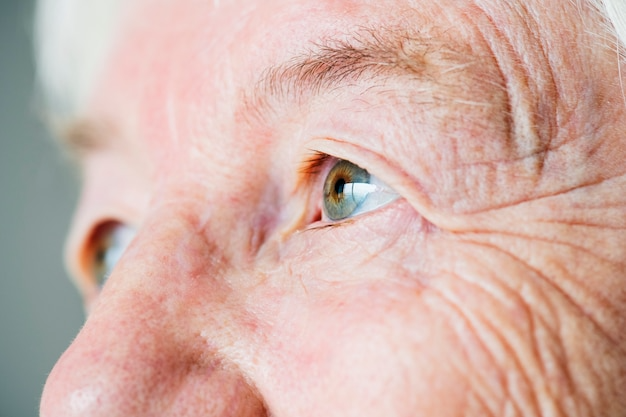
When the lens of the eye develops a cloudy area, it is called a [cataract](https://samitivejchinatown.com/en/article/eyes-lasik/cataract-eye). a cloudy area in the lens of the eye. As it develops, everyday tasks such as reading and driving can become difficult. Knowing the symptoms, causes and treatments helps you act early and protect your vision.
**สารบัญ**
- [What Are Cataracts?](#what-are-cataracts)
- [Common Symptoms of Cataracts](#common-symptoms-of-cataracts)
- [Causes and Risk Factors](#causes-and-risk-factors)
- [How Cataracts Are Diagnosed](#how-cataracts-are-diagnosed)
- [Treatment Options for Cataracts](#treatment-options-for-cataracts)
- [Preventing and Slowing Cataracts](#preventing-and-slowing-cataracts)
- [Conclusion](#conclusion)
## What Are Cataracts?
A cataract is a clouding of the eye’s natural lens that causes blurred or dimmed vision. It usually develops slowly, and many people compare it to looking through a frosted window.
Cataracts form when proteins in the lens clump together and make the lens cloudy. This process is usually triggered by age-related changes in the lens.
### Types of Cataracts
- **Nuclear cataracts** form in the center of the lens.
- **Cortical cataracts** affect the edges of the lens.
- **Posterior subcapsular cataracts** develop at the back of the lens.
## Common Symptoms of Cataracts
Symptoms vary with the type and severity of the cataract. Common signs include:
- Clouded or blurred vision
- Needing brighter light to read or do close work
- Difficulty seeing in bright sunlight
- Glare from lights at night, or halos around lights
- Frequent changes in your glasses prescription
- Colors that look faded or yellowed
- Double vision in one eye
Because symptoms appear gradually, regular eye exams help catch cataracts early.
## Causes and Risk Factors
### Age and Genetics
Aging is the main cause of cataracts. Over time, structural changes in the lens proteins reduce the lens’s clarity. A family history of cataracts also raises your risk.
### Lifestyle and Environment
- Prolonged exposure to ultraviolet (UV) light can damage lens proteins.
- Smoking and heavy alcohol use are linked to a higher risk.
- Obesity is also associated with a higher risk of cataracts.
### Medical Conditions and Medications
- Diabetes and high blood pressure increase the risk.
- Previous eye injury or inflammation, such as uveitis, and severe myopia can lead to earlier cataracts.
- Long-term use of corticosteroids, and some other medications, has been linked to cataracts.
A diet rich in fruits and vegetables supports general health. Studies on antioxidant supplements, including vitamins C and E, show mixed results for preventing cataracts.
## How Cataracts Are Diagnosed
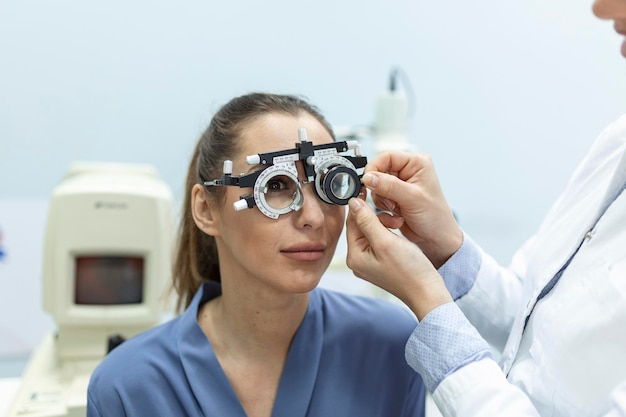
An eye doctor diagnoses cataracts by reviewing your symptoms and performing several tests:
- **Visual acuity test:** This measures how well you see at different distances.
- **Slit-lamp examination:** A special microscope lets the doctor look closely at the lens and nearby structures to spot clouding.
- **Dilated eye exam:** Eye drops widen the pupils so the doctor can examine the retina and other structures inside the eye.
Early diagnosis allows better treatment decisions. As cataracts progress, they can significantly affect vision and quality of life.
## Treatment Options for Cataracts
### Non-Surgical Management
In the early stages, updated prescription glasses or contact lenses can help manage mild vision changes. Brighter lighting and anti-glare lenses may also help with daily tasks.
### Cataract Surgery
Surgery is the main treatment once cataracts interfere with daily activities. The surgeon removes the clouded lens and usually replaces it with an artificial intraocular lens (IOL).
The most common technique is phacoemulsification, in which an ultrasound probe breaks up the cloudy lens so it can be removed. The procedure is usually done under local anesthesia, so you are awake but comfortable. Cataract surgery is generally very safe and effective, although risks such as infection or lens displacement exist. Removing the cataract can also give the doctor a clearer view of the back of the eye to check for other conditions.
The decision to operate depends on how much your vision is affected and how that affects your daily life. An ophthalmologist can help you choose the best option for your situation.
## Preventing and Slowing Cataracts
You cannot fully prevent cataracts, but these habits may lower your risk or delay their progress:
- Wear sunglasses that block UV rays.
- Do not smoke, and limit alcohol.
- Manage diabetes and blood pressure, and maintain a healthy weight.
- Eat a balanced diet with plenty of fruits and vegetables.
- Have regular eye exams so problems are found early.
## Conclusion
Cataracts are most often age-related and cause the lens to cloud, leading to blurred vision, glare and frequent prescription changes. Healthy habits may lower your risk, but surgery is the effective treatment when vision loss affects daily life. Regular eye exams allow early diagnosis and timely care, which helps protect your eye health and quality of life.


